


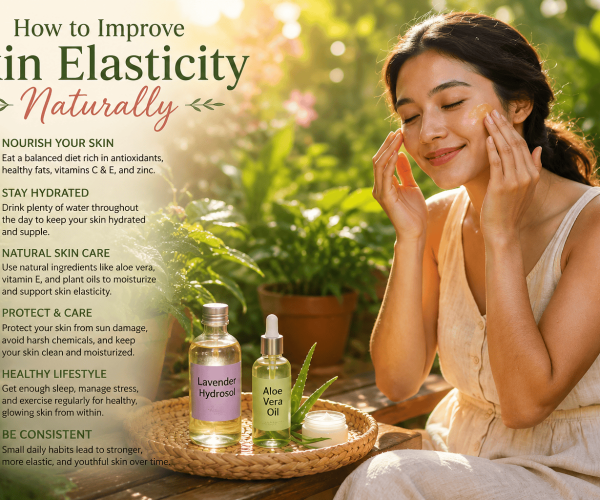
As the skin ages, maintaining its elasticity becomes increasingly challenging. This deterioration can lead to sagging and wrinkles, prompting many to seek effective natural remedies towards enhancing skin firmness. This article delves into how to improve skin elasticity naturally by exploring effective remedies, identifying ingredients that boost collagen production, and discussing anti-aging techniques. Readers will gain insights into practical strategies that not only rejuvenate the skin’s appearance but also promote long-term skin health.
The decline in skin elasticity can be influenced by factors such as aging, environmental damage, and lifestyle choices. However, by adopting the proper remedies and treatments, you can combat these effects. We will explore several sections: from natural techniques and lifestyle adjustments to clinical treatments offered by medical aesthetic clinics like Parpar, where advanced procedures align with holistic approaches.
Effective Remedies
Improving skin elasticity naturally can be achieved through various effective remedies that focus on enhancing skin health from within. Several methods include adopting a balanced diet, maintaining proper hydration, and ensuring adequate sleep for optimal skin rejuvenation. Each of these factors contributes significantly to the skin’s overall appearance and firmness.
-
Diet Recommendations: Incorporate foods rich in antioxidants, vitamins, and essential fatty acids. Leafy greens, nuts, and fatty fish are particularly beneficial for maintaining skin elasticity.
-
Hydration Strategies: Drinking sufficient water throughout the day supports skin hydration, which is crucial for maintaining elasticity and reducing the appearance of fine lines.
-
Sleep Importance: Quality sleep allows the skin to repair itself and regenerate. Aim for 7-9 hours per night to keep skin looking vibrant and healthy.
By following these effective remedies, individuals can create a strong foundation for better skin elasticity and overall health.
Collagen Boosters
Collagen is essential for skin elasticity and firmness, and enhancing its production can significantly improve skin appearance. Various products and treatments can stimulate collagen production, providing skin with the necessary support to remain firm and resilient.
-
Injectable Treatments: Procedures like dermal fillers and collagen-stimulating injectables help replenish lost volume and natural collagen levels.
-
Microneedling Techniques: This treatment involves creating micro-injuries in the skin, promoting collagen production through the body’s healing response. It’s effective for revitalizing skin texture and firmness.
-
Topical Applications: Creams and serums containing retinoids, vitamin C, and peptides can boost collagen synthesis directly at the skin’s surface.
The advancements in these collagen-boosting treatments offer both immediate and long-term effects, making them integral in combating skin aging.
Anti-Aging Care Strategies
Implementing comprehensive anti-aging care strategies can significantly prevent signs of aging and promote skin elasticity. These strategies encompass dietary adjustments, skincare routines, and lifestyle changes. Recognizing and adjusting factors impacting skin health is crucial.
-
Managing Sugar Intake: Excess sugar can damage collagen and elastin, leading to premature skin aging. Reducing sugar intake supports healthier skin.
-
Stress Reduction Techniques: Chronic stress can negatively affect skin health by increasing cortisol levels, which may lead to elasticity loss. Practices such as yoga, meditation, and mindfulness can mitigate these effects.
-
Regular Physical Activity: Exercise improves blood flow, which nourishes skin cells and contributes to a more youthful appearance.
Adopting these anti-aging care strategies aids in preserving skin elasticity and combatting signs of aging effectively.
What Is Skin Elasticity and Why Does It Decline Naturally?
Skin elasticity refers to the skin’s ability to stretch and return to its original shape. It primarily depends on the presence of collagen and elastin, two proteins that provide structural support. As we age, the production of these proteins declines due to factors like hormonal changes and UV exposure, causing skin to lose its firmness and flexibility. This natural decline often begins in our mid-20s and becomes more noticeable in later decades.
As aging progresses, the skin may appear saggy, leading to a search for solutions to enhance its appearance and texture. Understanding the reasons behind the decline in elasticity is crucial for choosing effective treatments and remedies.
How Do Collagen and Elastin Affect Skin Firmness?
Collagen and elastin are integral proteins that work together to provide support and structure to the skin. Collagen gives firmness and strength, while elastin allows the skin to stretch and bounce back after deformation. As individuals age, the body’s production of these proteins decreases, leading to reduced elasticity and firmness.
A decline in both collagen and elastin can result in various visible signs of aging, including fine lines, sagging skin, and wrinkles. Therefore, enhancing the production of these proteins through dietary intake, supplements, and treatments can be pivotal in maintaining youthful skin.
What Lifestyle Factors Accelerate Loss of Skin Elasticity?
Several lifestyle factors can accelerate the loss of skin elasticity, leading to premature aging. Identifying and modifying these behaviors can help maintain a youthful complexion.
-
Sun Exposure: Overexposure to UV rays can degrade collagen and lead to skin damage, exacerbating elasticity loss.
-
Smoking: Tobacco smoke contains harmful chemicals that accelerate skin aging, contributing to wrinkles and reduced elasticity.
-
Poor Diet: A diet lacking in essential nutrients, antioxidants, and hydration can hinder the skin’s ability to maintain its elasticity.
Being aware of these influencing factors and making necessary adjustments can significantly promote skin health.
Which Natural Skin Tightening Remedies Boost Collagen Production?
Natural remedies play a vital role in stimulating collagen production and restoring skin firmness. Several effective options can be employed.
-
Natural Oils: Oils such as argan and jojoba are rich in fatty acids and boost skin hydration, which supports elasticity.
-
Home Remedies: Ingredients like aloe vera and honey have properties that aid in skin tightening and hydration.
-
Collagen-Boosting Foods: Consuming bone broth, citrus fruits, and berries can naturally enhance collagen levels in the body.
Incorporating these natural skin tightening remedies into a daily routine can yield significant improvements in skin elasticity over time.
What Are the Best Vitamins and Antioxidants for Skin Elasticity?
Certain vitamins and antioxidants are essential for maintaining skin elasticity, providing protection from oxidative stress while promoting collagen production.
-
Vitamin C: This powerful antioxidant helps in collagen synthesis, thus enhancing skin firmness. Foods rich in vitamin C include oranges, strawberries, and bell peppers.
-
Vitamin E: Known for its antioxidant properties, vitamin E helps protect skin cells from damage and keeps the skin moisturized. Nuts and seeds are excellent sources.
-
Omega-3 Fatty Acids: These essential fats found in fish and flaxseeds promote skin health by maintaining cell membrane integrity and supporting hydration.
A diet rich in these vitamins can bolster the skin’s elasticity, combating age-related changes effectively.
How Do Natural Oils and Facial Exercises Improve Skin Firmness?
Natural oils and facial exercises are instrumental in enhancing skin firmness. Each has unique benefits that contribute to maintaining a youthful appearance.
Natural oils such as olive oil and sweet almond oil penetrate the skin, providing hydration and nourishing essential fatty acids that support elasticity. Regular facial massages using these oils can stimulate blood circulation and promote a healthy glow.
Facial exercises, on the other hand, target specific muscle groups to tone and firm the underlying tissues. These exercises can enhance overall skin appearance by improving circulation and promoting collagen production, yielding noticeable results over time.
How Does Diet and Nutrition Support Natural Skin Elasticity Improvement?
A well-balanced diet plays a crucial role in supporting natural skin elasticity and overall health. The body requires various nutrients to maintain healthy skin.
-
Nutrient-Rich Foods: Incorporate foods high in minerals and vitamins necessary for collagen production, such as leafy greens and lean proteins.
-
Hydration’s Role: Ensuring adequate hydration is fundamental, as water helps maintain skin elasticity and reduces dryness.
-
Balanced Diet Importance: A diet containing a mix of healthy fats, proteins, and carbohydrates is vital for skin health. Emphasizing whole foods over processed options assists the body in achieving optimal skin function.
By focusing on diet and nutrition, individuals can promote improved skin elasticity through natural means.
Which Foods Enhance Collagen Synthesis and Skin Hydration?
Certain foods can directly enhance collagen synthesis and promote skin hydration, contributing to skin elasticity. Key food sources include:
-
Foods High in Vitamin C: Citrus fruits, kiwis, and peppers boost collagen production while providing hydration.
-
Protein-Rich Foods: Incorporate chicken, fish, and legumes, which are necessary for building collagen and supporting skin structure.
-
Hydrating Foods: Foods like cucumbers, watermelons, and berries significantly contribute to hydration levels and skin health.
Adding these foods into daily meals can greatly enhance collagen synthesis and hydration, supporting skin that looks plump and healthy.
How Does Proper Hydration and Antioxidant Intake Protect Skin?
Proper hydration and antioxidants work dual roles in maintaining skin health and elasticity. Hydration is crucial for maintaining skin structure and minimizing the appearance of fine lines.
-
Importance of Hydration: Adequate water intake keeps skin cells hydrated, allowing skin to look fuller and more youthful. It also aids in detoxifying the skin by flushing out toxins.
-
Role of Antioxidants: Antioxidants defend skin cells from free radical damage, which accelerates aging. Incorporating antioxidant-rich foods, such as berries and nuts, into your diet can lead to healthier skin.
Balanced hydration alongside a diet rich in antioxidants is vital for protecting against environmental damage and maintaining elasticity.
What Clinical Skin Rejuvenation Treatments at Parpar Stimulate Natural Skin Firmness?
Clinical treatments can complement natural methods to enhance skin elasticity effectively. At Parpar, several advanced options focus on skin rejuvenation:
-
Karisma RH Collagen: This injectable treatment stimulates natural collagen production, enhancing overall skin firmness and texture.
-
Microneedling: This non-invasive procedure promotes collagen growth by creating micro-injuries, leading to tighter and more youthful skin.
-
Laser Therapy: Targeting specific layers of skin, laser therapy improves texture and tightens skin, resulting in a smoother appearance.
Such treatments combine clinical expertise with luxurious service, supporting individuals in achieving their desired aesthetic goals. For more information on the comprehensive services offered, visit their website.
How Do Laser and Microneedling Treatments Boost Collagen Production?
Laser and microneedling treatments are effective methods for stimulating collagen production, each operating through unique mechanisms.
Laser treatments utilize focused light energy to promote surface regeneration and collagen synthesis. These therapies are designed to penetrate the skin at varying depths, producing controlled damage that triggers the body’s healing response. For details on hair restoration, consider explore options like non-surgical hair restoration services.
Microneedling, on the other hand, creates tiny punctures in the skin, prompting a similar collagen-producing healing response. Both techniques are instrumental in achieving tighter, firmer skin over time, though recovery experiences may vary.
What Are the Benefits of Combining Clinical and Natural Anti-Aging Methods?
Integrating both clinical and natural anti-aging strategies can yield enhanced results, offering a holistic approach to skin health.
-
Synergistic Effects: Clinical treatments can enhance the effects of natural remedies, allowing for better overall results in skin rejuvenation.
-
Comprehensive Approach: Balancing these methods ensures a wider range of benefits, addressing both immediate and long-term skin concerns.
-
Long-term Benefits: Employing a dual approach can maintain and even amplify skin elasticity across different life stages, promoting lasting health and vitality.
Combining these strategies supports individuals seeking comprehensive solutions for maintaining youthful skin.
What Are Common Questions on Improving Skin Elasticity Naturally?
Many individuals seek clarity on methods to improve skin elasticity naturally. Common questions include:
-
Can lifestyle changes significantly impact skin elasticity?
-
What are the most effective natural remedies for maintaining youthful skin?
-
How long does it take to see results from these methods?
Understanding these common inquiries can empower individuals to pursue effective solutions confidently.
How Long Does It Take to See Results from Natural Skin Tightening Remedies?
When using natural remedies to enhance skin elasticity, results vary depending on several factors, including the method used and individual skin types. Typically, noticeable effects from consistent application of topical treatments or dietary changes may become apparent within 4-8 weeks. However, sustained improvements necessitate ongoing commitment to these practices.
Natural efforts should complement professional treatments for more pronounced results, reflecting the importance of persistence in achieving the desired skin elasticity.
Can Natural Remedies Replace Clinical Anti-Aging Treatments?
While natural remedies play a significant role in maintaining skin elasticity, they may not always replace the efficacy of clinical treatments entirely.
-
When to Choose Natural Methods: Individuals with mild elasticity concerns may choose natural remedies as a starting point.
-
Limitations of Natural Remedies: More severe signs of aging often require clinical interventions for substantial results.
-
Advantages of Clinical Treatments: Clinical methods provide targeted benefits and can yield faster visible improvements.
Evaluating personal skin concerns and seeking professional advice can help create an optimal strategy for achieving youthful skin.
How Can You Book and Prepare for Skin Firmness Treatments at Parpar?
Booking an appointment for skin rejuvenation treatments at Parpar is straightforward. Here’s how you can prepare:
-
How to Book an Appointment: Contact Parpar directly to schedule your consultation for skin treatments.
-
Pre-Treatment Preparation Tips: It’s recommended to avoid sun exposure and certain medications before your visit to maximize results.
-
Expected Client Experience: Clients can expect a thorough assessment of their skin conditions and personalized treatment recommendations during their appointment.
This preparation ensures a positive experience when seeking professional skin support.
What Payment Plans and Consultation Options Are Available?
Parpar offers various options to enhance accessibility for clients seeking rejuvenation treatments while ensuring financial flexibility. This includes:
-
Types of Payment Plans Available: Expect flexible payment plans that cater to different budgets, making quality aesthetic treatments more attainable.
-
Consultation Services Offered: Initial consultations are crucial for understanding specific skin concerns and available treatments.
-
How to Inquire: Interested individuals can contact Parpar to discuss financial options that suit their needs.
Through these efforts, Parpar aims to make skin rejuvenation services accessible to all.
What Should Clients Expect During Skin Rejuvenation Sessions?
During skin rejuvenation sessions at Parpar, clients can anticipate the following aspects:
-
Procedure Overview: The treatment process will be explained beforehand, highlighting each step being taken.
-
Duration and Effects: Most sessions last approximately 30 minutes to an hour, with visible effects expected post-treatment.
-
Post-Treatment Care: Aftercare instructions will be provided to maximize results and ensure skin healing.
Understanding these elements helps clients prepare for their rejuvenation experience effectively.
Frequently Asked Questions
1. What age should I start worrying about skin elasticity?
While skin elasticity naturally begins to decline in your mid-20s, many people might not notice significant changes until their 30s or 40s. However, it’s never too early to start adopting preventative measures such as a balanced diet, regular hydration, and sun protection. Early intervention can slow down the aging process and maintain skin firmness over time.
2. What types of exercises are best for improving skin firmness?
Facial exercises and general physical activity are effective for boosting skin firmness. Facial exercises target the muscles beneath the skin, promoting tightening and toning. In contrast, cardiovascular workouts improve blood circulation, which helps nourish skin cells. Incorporating a mix of these exercises into your routine can contribute to healthier, firmer skin over time.
3. Can hydration alone improve skin elasticity?
While proper hydration is crucial for maintaining skin elasticity, it should be paired with a balanced diet to achieve effective results. Drinking enough water helps keep skin cells hydrated and plump, reducing the appearance of fine lines. However, including foods rich in vitamins, antioxidants, and healthy fats is essential for optimizing skin health.
4. Are there any specific foods to avoid for better skin elasticity?
Yes, certain foods may negatively impact skin elasticity. High-sugar and overly processed foods can damage collagen and elastin, accelerating signs of aging. Foods high in trans fats and excessive sodium may also contribute to skin sagging. For optimal skin health, focus on whole, nutrient-dense foods while minimizing intake of sugar and processed items.
5. How often should I apply natural oils for skin elasticity?
To reap the full benefits of natural oils for enhancing skin elasticity, apply them daily. Incorporating oils such as argan or jojoba in your skincare routine can significantly nourish and hydrate your skin. Lightly massage the oil into your skin to promote better absorption and circulation, enhancing effectiveness over time.
6. Can supplements help improve skin elasticity, and which ones are recommended?
Supplements can support skin elasticity when combined with a healthy lifestyle. Collagen peptides are widely recognized for their benefits in boosting skin firmness. Additionally, supplements containing vitamins C and E, along with omega-3 fatty acids, can provide necessary support for maintaining skin health and combating signs of aging.
7. How do environmental factors influence skin elasticity?
Environmental factors like UV exposure, pollution, and climate can significantly affect skin elasticity. UV radiation damages collagen and elastin fibers in the skin, leading to premature aging. Pollution can contribute to oxidative stress, damaging skin cells. Implementing protective measures, such as using sunscreen and antioxidant-rich skincare products, can help mitigate these effects and maintain elasticity.