


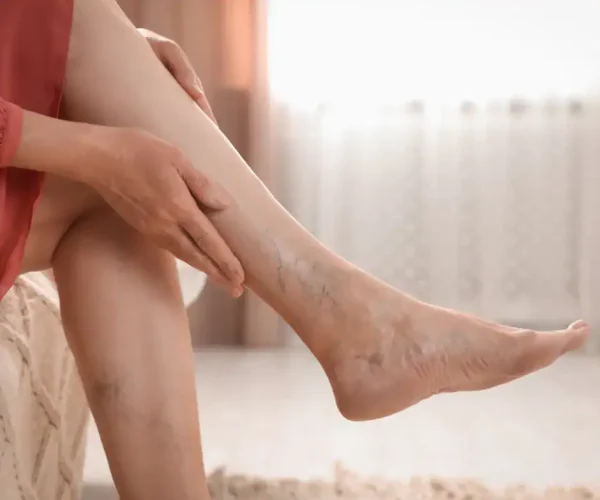
If you have noticed thin, web-like lines appearing on your legs or face, you might be asking: are spider veins dangerous? The direct answer is that spider veins are usually not dangerous. For most people, they remain a purely cosmetic concern. But in some cases, they can signal underlying vein problems like chronic venous insufficiency—especially if you experience pain, swelling, or worsening symptoms.
Quick Summary:
- Usually harmless: Most cases pose no threat to your physical health.
- Can indicate circulation issues: Sometimes they point to deeper blood flow problems.
- Seek care if symptoms appear: Pain, swelling, or skin changes mean it is time to see a doctor.
What Are Spider Veins?
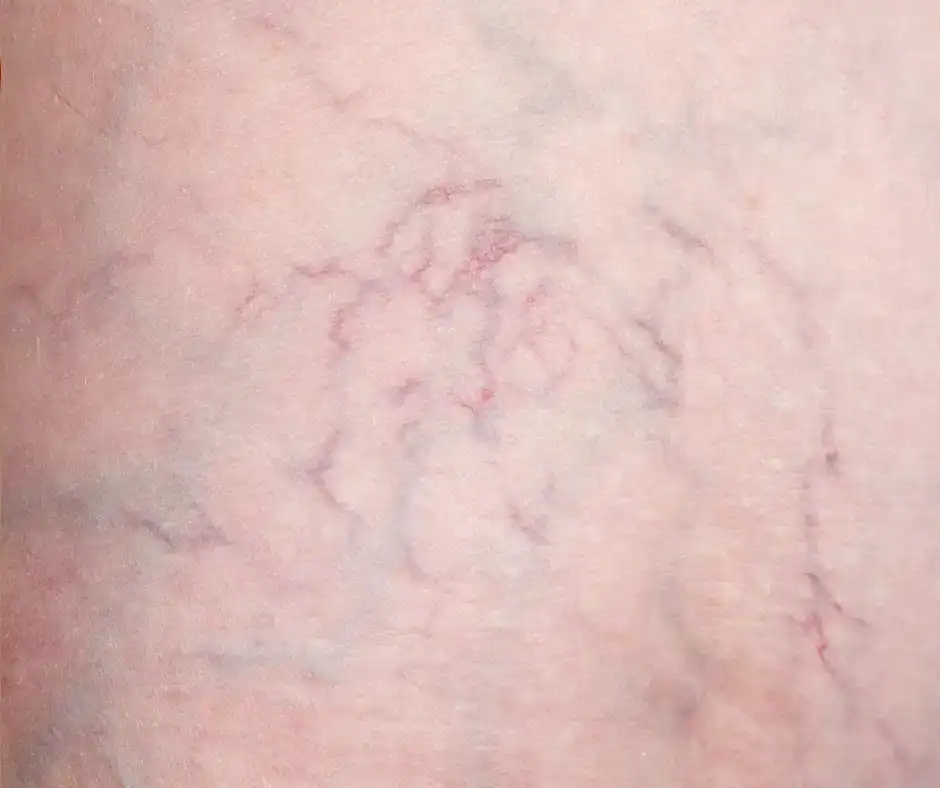
Spider veins, medically known as telangiectasia, are tiny, damaged blood vessels visible just beneath the surface of the skin. They get their name from their appearance, often branching out from a central point like a spider’s web or the branches of a tree.
Common Locations
These visible veins most frequently appear on the legs, specifically the calves, thighs, and ankles. They can also develop on the face, commonly around the nose and cheeks.
Appearance
They look like thin, thread-like lines that can be red, blue, or purple. Unlike larger vein issues, they do not bulge out from the skin. They lay flat and are generally quite small, measuring less than a millimeter in diameter.
Are Spider Veins Dangerous?
Many people wonder, are spider veins harmful? Are spider veins serious? To answer this accurately, we need to look at how they behave and feel.
When They Are NOT Dangerous
Most of the time, the answer to “are spider veins a health concern” is no. They are harmless. For the vast majority of individuals, these tiny veins are just a cosmetic issue.
- Cosmetic issue only: They change the appearance of the skin but do not affect how your body functions.
- No pain or swelling: Harmless spider veins exist silently without causing physical discomfort.
- Common with aging: As we get older, vein walls naturally weaken, making these visible lines a normal part of the aging process.
When Spider Veins May Be a Concern
While rare, these small veins can sometimes act as a warning sign.
- Possible underlying vein disease: They might indicate that the larger veins deeper in your legs are struggling to pump blood efficiently.
- Symptoms like pain, heaviness, burning: If the visible veins are accompanied by physical discomfort, they shift from a cosmetic issue to a potential medical concern.
When Should You Worry About Spider Veins?
Knowing when to see a doctor for spider veins helps you stay proactive about your vascular health. You should schedule an appointment with a healthcare professional if you notice any of the following signs.
- Persistent leg pain or aching: A dull, continuous ache in your legs, especially after standing for a long time, warrants a medical evaluation.
- Swelling in legs or ankles: Edema, or fluid buildup in the lower extremities, points to circulation problems.
- Skin discoloration or ulcers: Changes in the color or texture of your skin, or sores that will not heal, are late-stage signs of vein disease.
- Rapid increase in spider veins: A sudden explosion of new visible veins across your legs suggests a rapid change in your vascular pressure.
- Bleeding veins: Because they sit so close to the skin’s surface, minor scratches can occasionally cause them to bleed. If this happens frequently, seek medical help.
Can Spider Veins Be a Sign of a Bigger Problem?
Even tiny veins can tell a larger story about your circulatory system.
Chronic Venous Insufficiency
This condition occurs when the veins in your legs have trouble sending blood back to your heart. Spider veins can be an early, mild symptom of this condition.
Blood Pooling
When blood struggles to travel upward against gravity, it can collect in the lower legs. This increased pressure forces the tiny capillaries near the skin’s surface to expand, creating the visible webs.
Valve Dysfunction
Healthy veins contain tiny one-way valves that keep blood moving in the right direction. If these valves become weak or damaged, blood flows backward and increases pressure inside the vein walls.
Spider Veins vs Varicose Veins — Which Is More Serious?
Understanding the difference between spider veins vs varicose veins helps clarify your risk level and treatment options. Both are types of venous insufficiency, but they present differently.
Size: Small vs Large
Spider veins are very thin, flat, and located right under the skin. Varicose veins are much larger, thicker, and often bulge outward like twisted ropes.
Risk: Low vs Moderate
Spider veins carry a very low risk of medical complications. Varicose veins carry a moderate risk and are more closely linked to blood clots, skin ulcers, and severe circulation problems.
Pain: Rare vs Common
Spider veins rarely cause physical discomfort. Varicose veins frequently cause throbbing, cramping, and a heavy sensation in the legs.
What Causes Spider Veins?
Figuring out what causes spider veins involves looking at several biological and lifestyle factors.
- Genetics: Family history plays a massive role. If your parents had visible veins, your chances of developing them are much higher.
- Hormonal changes: Fluctuations in hormones during puberty, pregnancy, or menopause weaken vein walls. The use of birth control pills can also trigger their development.
- Aging: As the years pass, the valves in your veins experience wear and tear, making them less efficient at pumping blood.
- Prolonged standing or sitting: Occupations that require you to stay in one position for hours increase the pressure in your leg veins, leading to expansion and damage over time.
Symptoms to Watch For
While most people experience zero physical sensations from telangiectasia, you should monitor your legs for any developing symptoms of spider veins.
- Aching: A deep, dull ache in the calves or thighs.
- Burning: A warm, irritating sensation directly over the visible veins.
- Itching: The skin around the affected area may become dry and itchy.
- Swelling: Tightness in the shoes or visible puffiness around the ankles at the end of the day.
How Are Spider Veins Treated?
If you decide to pursue treatment for spider veins, you have several options ranging from home care to professional medical procedures.
Non-medical Management
- Compression stockings: These specially designed socks apply gentle, continuous pressure to your legs. This helps blood flow upward toward the heart and prevents blood from pooling.
- Lifestyle changes: Losing weight, eating a low-sodium diet to reduce water retention, and taking frequent walking breaks can drastically improve vein health.
Medical Procedures
For those looking to eliminate the visible webs completely, minimally invasive procedures are highly effective. If you are searching for a medspa near Airmont or looking specifically for spider vein treatment, you will find clinics offering these proven methods.
- Sclerotherapy: A specialist injects a chemical solution directly into the damaged vein. The solution irritates the vein lining, causing it to collapse and fade away over a few weeks.
- Laser treatment: Strong bursts of light are directed onto the vein, causing it to slowly fade and disappear. No needles or incisions are used. This is a highly requested method for spider vein removal.
Frequently Asked Questions
Are spider veins dangerous or just cosmetic?
In most cases, spider veins are harmless and mainly a cosmetic concern. They do not threaten your physical health. However, they can sometimes indicate underlying vein issues if symptoms are present.
Can spider veins turn into varicose veins?
Spider veins do not directly turn into varicose veins, but both can result from similar vein problems and risk factors. You can have both types at the same time.
Can spider veins cause blood clots?
Spider veins themselves rarely cause blood clots, but underlying vein disease may increase overall risk. The superficial nature of these tiny vessels means they do not harbor dangerous deep vein clots.
Do spider veins get worse over time?
Yes, they can gradually worsen due to aging, genetics, or lifestyle factors like prolonged standing. As vein walls continue to weaken, more webs may appear.
Are spider veins permanent?
Yes, untreated spider veins usually do not go away on their own, but treatments like laser therapy or sclerotherapy can reduce or remove them entirely.
What is the difference between spider veins and varicose veins?
Spider veins are small, surface-level veins, while varicose veins are larger, deeper, and more likely to cause pain or complications.
Can exercise help spider veins?
Exercise does not remove spider veins but can improve circulation and help prevent new ones from forming. Walking, swimming, and cycling are excellent for leg health.
When should I see a doctor for spider veins?
You should consult a doctor if spider veins are accompanied by pain, swelling, heaviness, or rapid spreading.
Are spider veins a sign of poor circulation?
They can sometimes indicate mild circulation issues, especially if associated with other physical symptoms in the legs.
Can spider veins go away without treatment?
No, spider veins usually do not disappear on their own, though lifestyle changes may prevent them from worsening.
How to Prevent Spider Veins from Getting Worse
While you cannot always stop them from forming—especially if genetics are involved—you can take actionable steps to support your vascular health.
- Exercise regularly: Keep your calf muscles active. The calf muscle acts as a secondary heart for your legs, pumping blood back upward with every step.
- Elevate legs: Whenever you rest, try to prop your legs up on a pillow above the level of your heart. This allows gravity to help drain the pooled blood from your lower extremities.
- Avoid prolonged sitting or standing: If you work at a desk, set a timer to stand up and stretch every 30 minutes. If you stand for work, shift your weight frequently and take sitting breaks when possible.
Conclusion
Spider veins are typically harmless, but they shouldn’t be ignored if symptoms develop. Most people live with them comfortably for years without any adverse health effects. Understanding the difference between cosmetic concerns and medical warning signs helps you know exactly when to seek treatment and when to simply focus on healthy lifestyle habits.