


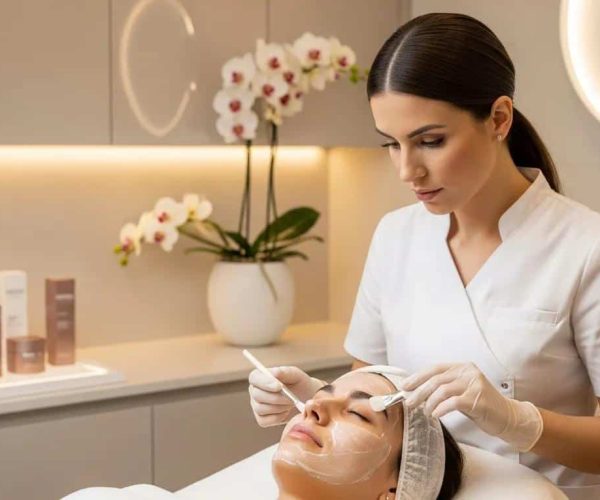
Chemical Peel for Acne Scars in Suffern at Parpar: Expert Treatment and Results
Acne scars can significantly impact one’s self-esteem and skin appearance, often leading individuals to seek effective treatments. Among the various options available, chemical peels have emerged as a popular choice for reducing the visibility of these scars. This article delves into the nature of acne scars, the effectiveness of chemical peels, and the specific treatments offered by Parpar, a high-end aesthetic clinic in Suffern, NY. Readers will learn about the causes and types of acne scars, how chemical peels work, and the aftercare necessary for optimal results. By understanding these aspects, individuals can make informed decisions about their skin care journey.
What Are Acne Scars and How Do They Affect Skin Appearance?
Acne scars are marks left on the skin after acne lesions heal, often resulting in a textured or uneven appearance. These scars can vary in type, including atrophic scars, which are depressed and often appear as pits, and hypertrophic scars, which are raised and thickened. The presence of these scars can lead to a decrease in confidence and self-image, as they can be quite noticeable on the skin’s surface. Understanding the nature of acne scars is crucial for selecting the appropriate treatment options.
What Causes Acne Scars and Their Types?

Acne scars are primarily caused by inflammation during the healing process of acne lesions. When the skin is damaged, the body produces collagen to repair it, but sometimes this process results in either too much or too little collagen, leading to different types of scars. The main types of acne scars include:
- Atrophic Scars: These are characterized by a loss of tissue, resulting in a sunken appearance. They are often classified into three subtypes: ice pick, boxcar, and rolling scars.
- Hypertrophic Scars: These scars are raised and occur when the body produces too much collagen during the healing process.
- Post-Inflammatory Hyperpigmentation: While not a true scar, this condition involves dark spots that remain after acne has healed, often requiring different treatment approaches.
Understanding these types helps in determining the most effective treatment methods.
How Do Acne Scars Impact Skin Texture and Confidence?
The presence of acne scars can significantly affect skin texture, leading to a rough or uneven surface that may be difficult to conceal with makeup. This can result in feelings of self-consciousness and a decrease in overall confidence. Many individuals report that their scars affect their social interactions and willingness to engage in activities where their skin is exposed. Addressing these scars not only improves skin texture but also enhances self-esteem, allowing individuals to feel more comfortable in their skin.
The significant impact of acne scars on an individual’s quality of life and self-esteem underscores the importance of effective treatment options.
Atrophic Acne Scars: Treatment Options & Impact
Atrophic scarring is often an unfortunate and permanent complication of acne vulgaris. It has high prevalence, significant impact on quality of life, and therapeutic challenge for dermatologists. The treatment of atrophic acne scars varies depending on the types of acne scars and the limitations of the treatment modalities in their ability to improve scars. Therefore, many options are available for the treatment of acne scarring, including chemical peeling, dermabrasion, laser treatment, punch techniques, fat transplantation, other tissue augmenting agents, needling, subcision, and combined therapy.
Effective treatments of atrophic acne scars, 2015
How Does a Chemical Peel Treat Acne Scars Effectively?
Chemical peels are a popular treatment option for acne scars, utilizing chemical solutions to exfoliate the skin and promote new skin growth. This process helps to improve skin texture and reduce the appearance of scars over time. By removing the outer layer of damaged skin, chemical peels encourage the regeneration of healthier skin beneath.
Understanding the various classifications of chemical peels is essential for appreciating their diverse applications and efficacy in skin rejuvenation.
Chemical Peels: Classification, Safety & Efficacy
Chemical peeling is a popular, relatively inexpensive, and generally safe method for treatment of some skin disorders and to refresh and rejuvenate skin. This article focuses on chemical peels and their use in routine clinical practice. Chemical peels are classified by the depth of action into superficial, medium, and deep peels. The depth of the peel is correlated with clinical changes, with the greatest change achieved by deep peels. However, the depth is also associated with longer healing times and the potenti
Evidence and considerations in the application of chemical peels in skin disorders and aesthetic resurfacing, 2010
What Is a Chemical Peel and Its Role in Skin Resurfacing?
A chemical peel is a cosmetic procedure that involves applying a chemical solution to the skin, which causes the outer layers to exfoliate and eventually peel off. This process reveals fresher, smoother skin underneath. Chemical peels can vary in strength, from superficial peels that target the outermost layer of skin to deeper peels that penetrate more profoundly. The primary role of chemical peels in skin resurfacing is to enhance the skin’s appearance by reducing imperfections, including acne scars.
How Does Chemical Peel Promote Skin Regeneration for Scar Reduction?
Chemical peels promote skin regeneration by stimulating the production of collagen and elastin, essential proteins that help maintain skin structure and elasticity. As the damaged skin layers are removed, the body responds by increasing blood flow to the area, which aids in healing and rejuvenation. This biological response not only helps to reduce the visibility of existing scars but also improves overall skin texture and tone, making it a highly effective treatment for acne scars.
The effectiveness of chemical peels in scar reduction is largely attributed to their ability to induce controlled exfoliation and stimulate the skin’s natural repair mechanisms.
Chemical Peels for Acne Scars: Collagen Remodeling & Safety
Chemical peels promote controlled skin exfoliation and collagen remodeling and are widely Overall safety is acceptable, though higher TCA concentrations increase adverse effects.
ROLE OF CHEMICAL PEELS IN THE MANAGEMENT OF ACNE SCARS: A SYSTEMATIC REVIEW., 2026
Which Types of Chemical Peels Does Parpar Offer for Acne Scar Treatment?
At Parpar, a variety of chemical peels are available, each tailored to address specific skin concerns and types of acne scars. The clinic specializes in medically supervised skin care treatments, ensuring that clients receive the most effective and safe options for their needs.
What Are the Best Chemical Peels for Different Acne Scar Types?
This comparison helps clients understand which peel may be most beneficial for their specific skin concerns.
How Does Parpar Customize Chemical Peel Treatments for Individual Skin Needs?
Parpar takes a personalized approach to chemical peel treatments, assessing each client’s skin type, scar severity, and overall skin health. This customization ensures that clients receive the most effective treatment tailored to their unique needs. By considering factors such as skin sensitivity and desired outcomes, Parpar’s specialists can recommend the appropriate type of peel and treatment plan, enhancing the likelihood of successful results.
What Is the Chemical Peel Treatment Process at Parpar?
The treatment process at Parpar is designed to be both effective and comfortable for clients. Each session begins with a thorough consultation to assess skin conditions and discuss treatment goals.
What Should Clients Expect During Their Chemical Peel Session?

During a chemical peel session, clients can expect a clean and professional environment where their comfort is prioritized. The procedure typically involves the application of the chemical solution, which may cause a tingling or slight burning sensation. The duration of the session varies depending on the type of peel being administered, but most treatments are completed within an hour.
How Does Parpar Ensure Safety and Comfort in a Luxurious Environment?
Parpar is committed to providing a luxurious and safe environment for all treatments. The clinic follows strict safety protocols, including thorough skin assessments and post-treatment care instructions. Clients can relax knowing that they are in the hands of experienced professionals who prioritize their well-being throughout the entire process.
How to Care for Your Skin After a Chemical Peel for Acne Scars?
Post-treatment care is crucial for achieving the best results from a chemical peel. Proper aftercare helps to protect the skin and promote healing.
What Are the Recommended Post-Treatment Care and Recovery Guidelines?
After a chemical peel, clients should follow specific care guidelines to ensure optimal recovery. These include:
- Avoid Sun Exposure: Protect the skin from direct sunlight to prevent pigmentation changes.
- Moisturize Regularly: Use gentle, hydrating products to keep the skin moisturized.
- Avoid Harsh Products: Steer clear of exfoliants and strong skincare products for at least a week post-treatment.
These steps are essential for maintaining skin health and enhancing the results of the peel.
How Long Is Recovery and What Results Can Clients Anticipate?
Recovery time after a chemical peel varies depending on the depth of the peel. Superficial peels typically require minimal downtime, with most clients returning to their normal activities within a day. Medium and deep peels may involve longer recovery periods, ranging from a few days to a couple of weeks. Clients can expect to see improvements in their skin texture and a reduction in the appearance of scars within a few weeks, with optimal results developing over several months.
How Can You Book and Afford Chemical Peel Treatments at Parpar in Suffern?
Booking a chemical peel treatment at Parpar is straightforward, with several options available to accommodate clients’ needs.
What Are the Pricing Options and Flexible Payment Plans Available?
Parpar offers competitive pricing for its chemical peel treatments, ensuring that clients can access high-quality skin care. Flexible payment plans are also available, making it easier for individuals to invest in their skin health without financial strain. Specific pricing details can be discussed during the initial consultation. Learn more about payment plans to find the best option for you.
How to Schedule Your Professional Chemical Peel Appointment at Parpar?
To schedule an appointment for a chemical peel at Parpar, clients can book an appointment directly. The staff will guide them through the booking process, ensuring that all questions are answered and that clients feel confident in their treatment choice. Parpar’s commitment to personalized care ensures that each client receives the attention and expertise they deserve.
In addition to chemical peels, Parpar also offers specialized treatments such as non-surgical hair restoration to address various aesthetic concerns, providing comprehensive care for clients seeking skin and hair rejuvenation.
Frequently Asked Questions
What are the potential side effects of chemical peels for acne scars?
Chemical peels can lead to side effects, which vary based on the peel’s depth and individual skin sensitivity. Common side effects include redness, peeling, and mild swelling, which typically subside within a few days. More severe reactions, such as scarring or changes in skin pigmentation, are rare but possible, especially with deeper peels. It’s essential to follow post-treatment care instructions and consult with a professional if any unusual symptoms occur. Always discuss potential risks with your provider before undergoing treatment.
How many chemical peel sessions are typically needed for optimal results?
The number of chemical peel sessions required for optimal results can vary significantly based on individual skin conditions and the severity of acne scars. Generally, clients may need anywhere from 3 to 6 sessions spaced several weeks apart to achieve the desired improvement. Superficial peels may require more frequent treatments, while deeper peels might be spaced further apart due to longer recovery times. A personalized treatment plan will be developed during the initial consultation to address specific needs and goals.
Can chemical peels be combined with other treatments for better results?
Yes, chemical peels can often be combined with other treatments to enhance results. For instance, procedures like microdermabrasion, laser therapy, or microneedling may be used in conjunction with chemical peels to improve skin texture and reduce scars more effectively. Combining treatments can provide synergistic effects, leading to better overall outcomes. However, it’s crucial to consult with a qualified professional to determine the best combination for your skin type and concerns, ensuring safety and efficacy.
What should clients avoid before undergoing a chemical peel?
Before a chemical peel, clients should avoid certain products and activities to minimize risks and enhance results. It’s advisable to refrain from using retinoids, exfoliating agents, or any harsh skincare products for at least a week prior to treatment. Additionally, clients should avoid sun exposure and tanning beds, as tanned skin can increase the risk of complications. Discussing any medications or skincare routines with the provider during the consultation will help ensure a safe and effective treatment experience.
How can clients maintain their results after a chemical peel?
Maintaining results after a chemical peel involves a consistent skincare routine and protective measures. Clients should use gentle, hydrating products and apply sunscreen daily to protect the skin from UV damage, which can lead to pigmentation changes. Regular moisturizing helps keep the skin healthy and supports the healing process. Additionally, clients may benefit from periodic maintenance treatments, such as lighter peels or other skin rejuvenation therapies, to sustain their results over time. Following the provider’s aftercare instructions is essential for long-lasting effects.
Are chemical peels suitable for all skin types?
Chemical peels can be suitable for various skin types, but individual assessments are crucial. Factors such as skin sensitivity, tone, and the presence of specific conditions (like rosacea or eczema) can influence the choice of peel. Superficial peels are generally safe for most skin types, while deeper peels may be more appropriate for certain skin concerns. A thorough consultation with a qualified professional at Parpar will help determine the best approach tailored to each client’s unique skin needs and goals.